Call us now :08045800852
 Send Inquiry
 Send Inquiry
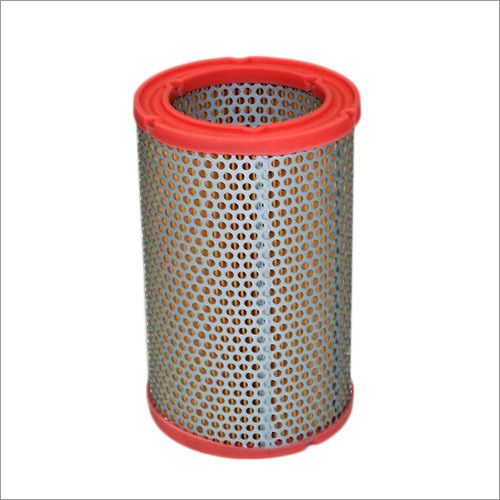
Pressure Air Filters
MOQ : 1 Unit
Pressure Air Filters Specification
- Pressure
- Max. 10 bar
- Cleaning Method
- Manual Cleaning
- Temperature Range
- -10°C to 75°C
- Connecting Type
- Threaded Coupling
- Media Type
- Compressed Air
- Flow Rate
- 1200 L/min
- Capacity
- Large Volume Filtration
- Efficiency (%)
- 99%
- Filter Type
- Pressure Air Filter
- Condition
- New
- Material
- Stainless Steel
- Mesh
- Fine filtration mesh
- Diameter
- Approx. 110 mm
- Construction
- Cylindrical body with bolted flange
- Medium Filter
- Air
- Weight
- Approx. 3.8 kg
- Shape
- Cylinder
- Feature
- High pressure resistance, durable construction, efficient particulate separation
- End Connection
- BSP / NPT / DIN Standard
- Recommended Applications
- Industrial Plants, Air Compressors, Pneumatic Equipment
- Packing Type
- Carton Box / Wooden Case
- Operating Life
- 8000-10000 hours
- Replacement Interval
- 6-12 months
- Dust Holding Capacity
- High
- Mounting Type
- Vertical / Horizontal
- Usage
- For Filtering Solid, Liquid & Oil Aerosols from Air Pipelines
- Color
- Blue / Customized
Pressure Air Filters Trade Information
- Minimum Order Quantity
- 1 Unit
- Supply Ability
- 3000 Units Per Month
- Delivery Time
- 1 Days
- Sample Available
- Yes
- Sample Policy
- Within a certain price range free samples are available
- Packaging Details
- cartoon
- Main Domestic Market
- All India
Pressure Air Filters About
We have been serving our respected clients for the past 19 years by manufacturing and supplying excellent quality Pressure Air Filters. These are designed and fabricated at our ultra modern facility using best in class materials and latest innovative techniques under guidance and vigilance of deft professionals. These filters are widely used for filtering smoke and polluted air to give fresh air. It finds applications in various industries and different commercial places. Offered Pressure Air Filters can be availed from us in different models and specifications as per requirements.
Features:
-
Easily replaceable parts
-
Interchangeable elements between grades
-
Completely leak proof assembly
High-Performance Filtration for Industrial Efficiency
These pressure air filters are essential for maintaining operational efficiency within industrial plants, air compressors, and pneumatic equipment. Their fine mesh construction ensures high dust holding capacity and exceptional particulate separation, removing up to 99% of solid, liquid, and oil aerosols. Built from robust stainless steel, the cylindrical design with bolted flanges guarantees reliable, long-term performance even under high pressure.
Versatile Mounting and Connection Options
Flexibility is integral to our filters design. With mounting options for both vertical and horizontal orientation, and end connections in BSP, NPT, or DIN standards, installation is straightforward and highly adaptable to different system requirements. Threaded couplings ensure a secure fit, making integration into existing pipelines quick and easy.
Durability for Demanding Environments
Designed to withstand continuous industrial operation, these filters feature high-pressure resistance (up to 10 bar) and efficient manual cleaning methods. The premium stainless steel body and fine filtration mesh support long operating life, reducing maintenance costs and downtime. Each filter can be tailored in color and packaging according to client needs.
FAQs of Pressure Air Filters:
Q: How do pressure air filters improve the performance of industrial air systems?
A: Pressure air filters remove solid particles, liquid droplets, and oil aerosols from compressed air pipelines, preventing equipment wear and minimizing system downtime. By providing 99% filtration efficiency, they maintain clean airflow, which optimizes equipment performance and prolongs machinery lifespan in industrial environments.Q: What are the recommended applications for these pressure air filters?
A: These filters are ideal for use in industrial plants, air compressors, and pneumatic equipment where effective removal of contaminants from compressed air is critical. Their high capacity and efficiency also suit applications requiring large volume filtration and robust performance.Q: When should the pressure air filter be replaced during regular operation?
A: It is recommended to replace the pressure air filter every 6 to 12 months or after 8,000 to 10,000 hours of operation, depending on usage and contaminant load. Regular replacement ensures consistent filtration efficiency and helps maintain system reliability.Q: Where can I install the filter is it suitable for vertical and horizontal setups?
A: Our pressure air filters are engineered for both vertical and horizontal mounting. This versatile design feature allows integration into a wide variety of pipeline configurations in industrial settings.Q: What is the cleaning process for these pressure air filters?
A: The filters are designed for manual cleaning. Periodic maintenance involves removing accumulated particulates from the filter mesh, helping to extend the filters life and sustain optimal performance.Q: How does the design ensure durability and high pressure resistance?
A: Constructed from stainless steel with a fine filtration mesh inside a cylindrical, bolted-flange body, these filters withstand pressures up to 10 bar. The durable materials and robust construction support long service life in demanding industrial conditions.Q: What are the benefits of using a high dust holding capacity filter?
A: A filter with high dust holding capacity captures more contaminants before requiring maintenance or replacement. This reduces interruptions, extends operational life, and lowers overall maintenance costs for continuous industrial operations.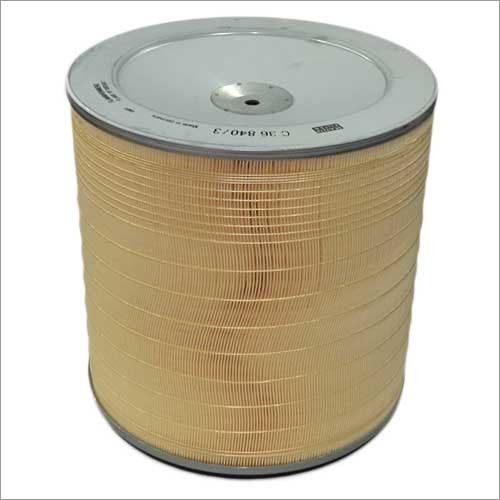
Tell us about your requirement

Price:
Quantity
Select Unit
- 50
- 100
- 200
- 250
- 500
- 1000+
Additional detail
Mobile number
Email

More Products in Air Filters Category
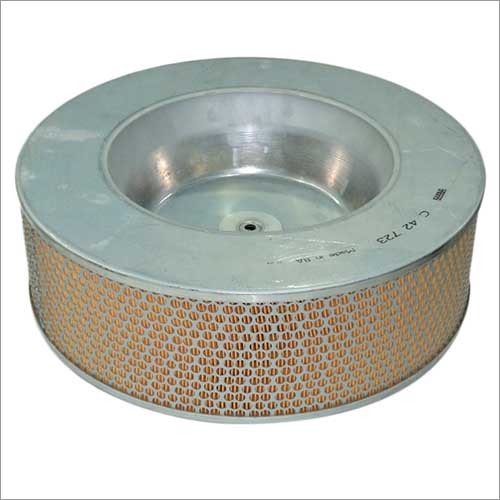
Industrial Compressed Air Filters
Price Range 500.00 - 5000.00 INR / Unit
Minimum Order Quantity : 1 Unit
Material : Aluminum alloy, stainless steel, plastic
Condition : New
Feature : High dust holding capacity, corrosion resistant, long service life
Pressure : 0.71.6 MPa (716 bar)
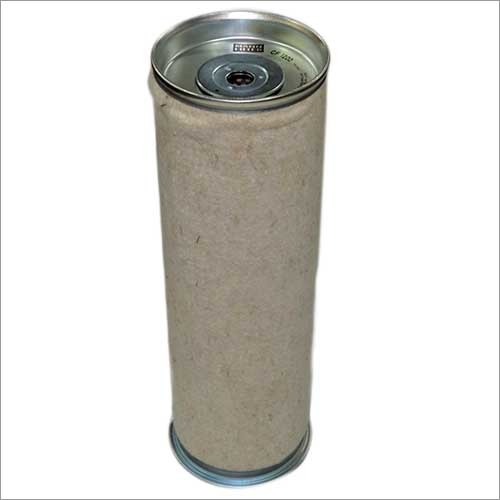
Industrial Air Compressor Filters
Price Range 500.00 - 5000.00 INR / Unit
Minimum Order Quantity : 1 Unit
Material : Synthetic Fiber, Stainless Steel, Paper
Condition : New
Feature : High dirt holding capacity, Long service life, Efficient filtration
Pressure : 0.21.5 MPa
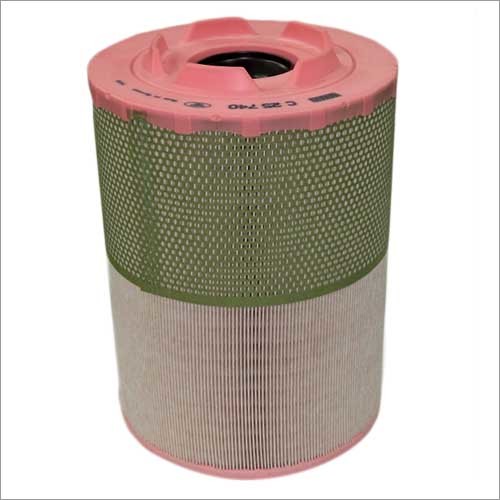
Temperature Air Filter
Price Range 500.00 - 5000.00 INR / Unit
Minimum Order Quantity : 1 Unit
Material : Stainless Steel
Condition : New
Feature : High temperature resistance, enhanced filtration efficiency
Pressure : 5 bar
Industrial Air Filters
Price Range 500.00 - 5000.00 INR / Unit
Minimum Order Quantity : 1 Unit
Material : Galvanized Steel & Synthetic Fiber
Condition : New
Feature : High dust holding capacity, long service life, corrosion resistant frame, low maintenance.
Pressure : Max. 2 bar

 Send Inquiry
D-14, Flatted Factories Complex, Rani Jhansi Road, Jhandewalan, New Delhi - 110055, India

Mr Harmit Singh
(Proprietor)
Mobile :08045800852
 Send Inquiry
 Send SMS
Developed and Managed by Infocom Network Private Limited.


