Call us now :08045800852
 Send Inquiry
 Send Inquiry
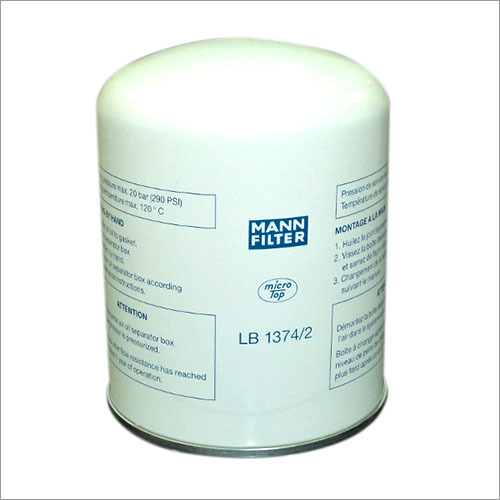
Air Oil Separators
MOQ : 1 Unit
Air Oil Separators Specification
- Temperature Range
- -20C to 120C
- Filter Type
- Air Oil Separator Cartridge
- Media Type
- Micro glass fiber
- Capacity
- Depends on model, standard sizes support up to 4000 m3/hr
- Flow Rate
- Up to 4000 m3/hr
- Efficiency (%)
- 99.9%
- Pressure
- Up to 16 Bar
- Connecting Type
- Flange mounted / Threaded
- Cleaning Method
- Non-washable, Replaceable cartridge
- Condition
- New
- Material
- Stainless Steel, Aluminum, Glass Fiber
- Mesh
- Multi-layer micro glass fiber element
- Diameter
- Standard 50 mm 300 mm (customization available)
- Construction
- Cylindrical cartridge, end cap bonded
- Medium Filter
- Air/Oil mixture
- Weight
- 1 5 kg (varies by model)
- Shape
- Round/Cylindrical
- Feature
- Efficient separation of oil from compressed air, robust construction, long service life
- Design Pressure Drop
- Initial: <0.25 bar
- Replacement Interval
- Annually or as per maintenance schedule
- Color
- Grey/Silver
- Seal Type
- Nitrile Rubber or Viton
- End Cap Material
- Stainless Steel
- Maximum Oil Carryover
- <3 mg/m3
- Humidity Tolerance
- Up to 100% RH
- Resistance to Chemicals
- High
- Separation Technology
- Coalescence & Mechanical Filtration
- Service Life
- 4000 - 6000 operating hours
- Recommended Use
- Rotary screw and vane compressors
- Mounting Orientation
- Vertical or Horizontal
Air Oil Separators Trade Information
- Minimum Order Quantity
- 1 Unit
- Supply Ability
- 3000 Units Per Month
- Delivery Time
- 1 Days
- Sample Available
- Yes
- Sample Policy
- Contact us for information regarding our sample policy
- Packaging Details
- carton boxes
- Main Domestic Market
- All India
Air Oil Separators About
Creating a striking mark in the industry, we have earned the name of being a highly reliable manufacturer and supplier of Air Oil Separators. These are used to separate oil particles from PCV or CCV air using 50 micron filter. At our sound production unit, we manufacture these separators using high quality materials. Also, these separators are used to defend intercooler, intake system and essential components from oil blow. Highly demanded in the market, these Air Oil Separators come in different sizes and specifications for clients. We offer these separators at reasonable prices to clients.
Features:
- Help maintain proper octane levels
- Reduce potential detonation
- Universal mounting bracket for different configuration
Superior Oil Separation Technology
Utilizing advanced coalescence and mechanical filtration, these air oil separators efficiently remove nearly all oil carryover, ensuring less than 3 mg/m in the outgoing airflow. This promotes higher air quality and protects downstream equipment from contamination, critical in applications requiring clean, dry air.
Engineered for Durability and Versatility
Crafted from stainless steel, aluminum, and glass fiber, these separators are highly resistant to chemicals and extreme operating conditions. Their robust construction supports both vertical and horizontal mounting orientations and accommodates various installation needs, while gasket options in nitrile rubber or Viton provide reliable sealing.
Easy Maintenance & Long Service Life
Designed with a non-washable, replaceable cartridgethese air oil separators have a typical replacement interval of 4000 to 6000 hours or annually, following your maintenance schedule. Efficient and reliable, they ensure minimal downtime and ease of replacement in rotary screw and vane compressor setups.
FAQs of Air Oil separators:
Q: How do air oil separators work in compressor systems?
A: Air oil separators employ coalescence and mechanical filtration to extract oil particles from compressed air. Incoming air/oil mixtures pass through multi-layer micro glass fiber media, where oil droplets coalesce and are physically separated, delivering clean air while channeling recovered oil back to the system.Q: What are the benefits of using this air oil separator model?
A: Key benefits include highly efficient oil removal (up to 99.9%), reduced oil carryover (<3 mg/m), robust chemical resistance, durable construction, and a long service life. Users experience improved air quality, enhanced compressor performance, and reduced operational maintenance.Q: When should I replace the air oil separator cartridge?
A: Replacement is recommended after 4000 to 6000 operating hours, annually, or as advised by your maintenance schedule. Early replacement may be needed if high pressure drops or signs of oil carryover are observed.Q: Where can these air oil separators be installed?
A: These separators are designed for both vertical and horizontal mounting, fitting easily into most rotary screw and vane compressor systems. Standard diameters (50 mm to 300 mm) and custom options allow compatibility with a wide range of equipment.Q: What materials are used in construction and what is their advantage?
A: Construction includes stainless steel, aluminum, and bonded end caps, with multi-layer micro glass fiber media. These materials ensure chemical resistance, structural integrity under pressure (up to 16 bar), and reliable operation under high humidity and temperature conditions.Q: How do I choose the correct separator for my application?
A: Select a model based on your compressors flow rate (up to 4000 m/hr), diameter requirements (50300 mm or custom), and mounting type (flange or threaded). Your applications pressure and temperature specifics should also align with product specifications.Q: What is the process for replacing an air oil separator cartridge?
A: Ensure system pressure is released, remove used cartridge, and replace with a new non-washable one, ensuring correct seal placement (nitrile rubber or Viton). Always follow the installation and safety guidelines provided by the manufacturer.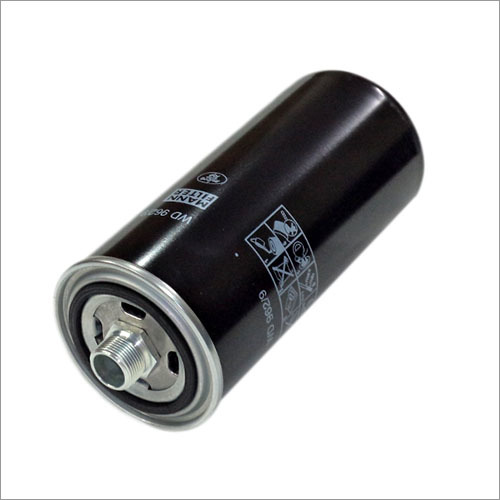
Tell us about your requirement

Price:
Quantity
Select Unit
- 50
- 100
- 200
- 250
- 500
- 1000+
Additional detail
Mobile number
Email

More Products in Oil Filters Category
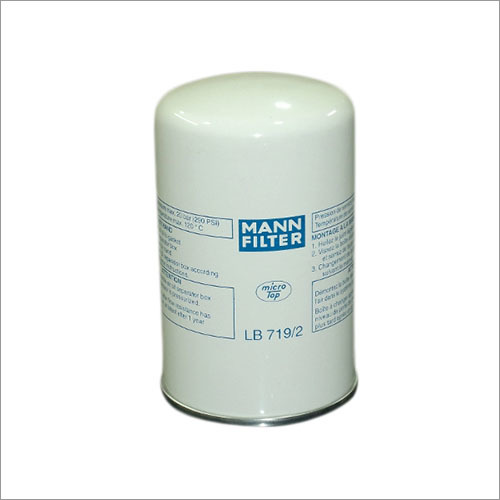
Oil Compressor Filters
Price Range 500.00 - 5000.00 INR / Unit
Minimum Order Quantity : 1 Unit
Condition : New
Cleaning Method : Other, Replaceable / Washable
Weight : 0.8 kg
Diameter : 120 mm
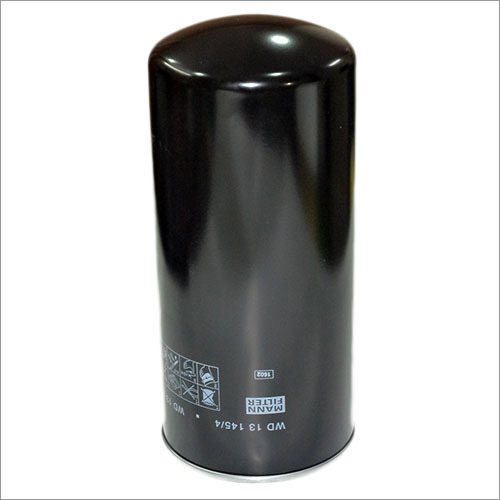
Compressor Oil Filters
Price Range 500.00 - 5000.00 INR / Unit
Minimum Order Quantity : 1 Unit
Condition : New
Cleaning Method : Other, Replaceable (not cleanable)
Weight : Approx. 5001200 grams depending on size
Diameter : Custom sizes available (standard: 80150 mm)
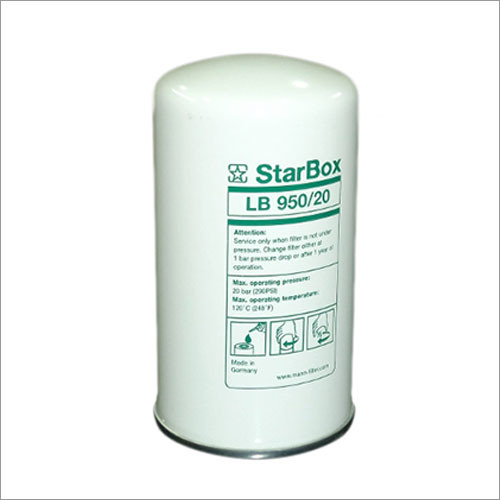
Premium Oil Filter
Price Range 500.00 - 5000.00 INR / Unit
Minimum Order Quantity : 1 Unit
Condition : New
Cleaning Method : Other, Replaceable
Weight : 350 g
Diameter : 75 mm
Air Oil Filters
Price Range 500.00 - 5000.00 INR / Unit
Minimum Order Quantity : 1 Unit
Condition : New
Cleaning Method : Other, Replaceable / Nonwashable
Weight : Varies by size (typically 400 g 2.5 kg)
Diameter : Standard and custom sizes available (e.g., 50 mm 350 mm)

 Send Inquiry
D-14, Flatted Factories Complex, Rani Jhansi Road, Jhandewalan, New Delhi - 110055, India

Mr Harmit Singh
(Proprietor)
Mobile :08045800852
 Send Inquiry
 Send SMS
Developed and Managed by Infocom Network Private Limited.


