Call us now :08045800852
 Send Inquiry
 Send Inquiry
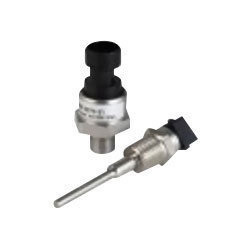
Compressor Temperature Sensor
MOQ : 1 Unit
Compressor Temperature Sensor Specification
- Weight
- Approx. 70g
- Frequency
- 50/60 Hz
- Noise Level
- Minimal
- Phase
- Single/Three Phase
- Refrigerant Type
- R134a/R404a/R22 (Compatible)
- Cooling Method
- Air Cooled
- Type Of Compressor
- Scroll/Reciprocating
- Allied Equipment
- Compressor Unit
- Configuration
- External Sensor
- Power Source
- Electric
- Silent
- Yes
- Lubrication Type
- Oil-Free/Oil-Lubricated
- Voltage
- 220-240V
- Driven Mode
- Direct Drive/Belt Driven
- Application
- Monitoring Compressor Shell/Discharge Line Temperature
- Accuracy
- 1C
- Response Time
- 30 seconds
- Compatibility
- Suitable for HVAC, Refrigeration, and Air Compressor Systems
- Cable Length
- 0.5m - 1.5m (Customizable)
- Operating Voltage
- 3-5V (Sensor Circuit)
- Output Type
- Resistance (Ohm) Varies with Temperature
- Storage Temperature
- -40C to +125C
- Mounting Type
- Clip or Screw Mount
- Connector Type
- 2-Pin or Custom Connector
- Sensor Type
- NTC Thermistor
- Ingress Protection
- IP54
- Temperature Range
- -40C to +125C
- Enclosure Material
- Plastic Molded
Compressor Temperature Sensor Trade Information
- Minimum Order Quantity
- 1 Unit
- Supply Ability
- 5000 Units Per Month
- Delivery Time
- 1 Days
- Sample Available
- Yes
- Sample Policy
- Sample costs shipping and taxes has to be paid by the buyer
- Main Domestic Market
- All India
Compressor Temperature Sensor About
With a vision to be a pioneer in our domain, we are emerging as one of the leading manufacturers and suppliers of Compressor Temperature Sensor. It is used in industrial compressors to measure temperature and thus to help prevent the system from overheating. We use optimum quality materials and components to manufacture this sensor at our sound production unit. It consists of two wires of different metals connected at two points of the sensor. Compressor Temperature Sensor is ideal for maintaining a specific temperature in process equipment for chemical, food and pharmaceutical industry.
Features:
- Fast response
- Easy to install
- Accurate calibration
Advanced Monitoring for Compressor Health
This temperature sensor offers robust thermal oversight for compressor shells and discharge lines, enhancing equipment protection. Quick response time and 1C accuracy facilitate real-time temperature readings, which help prevent overheating and maintain system efficiency under demanding environments.
Customizable and Durable Design
With adaptable cable lengths (0.5m1.5m) and flexible mounting options (clip or screw), this sensor suits a variety of installation needs. The plastic molded enclosure is IP54-rated for protection from dust and moisture, ensuring longevity even in rigorous industrial conditions.
Versatile Applications Across Industries
Compatible with various compressor types, refrigerants, and cooling methods, the sensor supports HVAC, refrigeration, and air compressor systems. Its external configuration and universal connector types make integration efficient across new and existing setups in multiple sectors.
FAQs of Compressor Temperature Sensor:
Q: How does the temperature sensor work in monitoring compressors?
A: This sensor employs an NTC thermistor, which exhibits variable resistance in response to temperature changes. As the compressor shell or discharge line heats up or cools down, the sensors resistance changes, allowing the control system to monitor and regulate compressor performance.Q: What are the benefits of using this sensor for HVAC or refrigeration systems?
A: Using this sensor ensures accurate detection of temperature fluctuations, preventing compressor damage due to overheating. Its rapid response and high accuracy help maintain optimal operational efficiency and extend equipment life in HVAC and refrigeration applications.Q: Where should the temperature sensor be installed for best results?
A: For effective monitoring, the sensor should be mounted directly onto the compressor shell or the discharge line. It offers both clip and screw mounting options, providing flexibility for diverse installation setups in various compressor units.Q: When should the temperature sensor be replaced or maintained?
A: Routine inspections are recommended to ensure continued accuracy and reliability, especially in harsh environments. Replace the sensor if significant discrepancies in temperature readings occur, physical damage is detected, or after long-term exposure to extreme conditions.Q: What process is involved in configuring the connector and cable for installation?
A: The sensor is available with standard 2-pin and custom connectors, along with customizable cable lengths from 0.5m to 1.5m. Selection of connector type and cable length should match the compressor system requirements and installation environment for seamless integration.Q: Is this sensor compatible with different refrigerants and compressor configurations?
A: Yes, the sensor is designed for universal compatibility and works efficiently with refrigerants like R134a, R404a, and R22. It also suits both scroll and reciprocating compressors, and accommodates single or three-phase electric systems.Q: What advantages does an external temperature sensor provide over built-in alternatives?
A: External sensors offer easier access for servicing, replacement, and upgrades. They facilitate faster response times and more precise readings, as they are directly exposed to the monitored surface, improving reliability and operational management.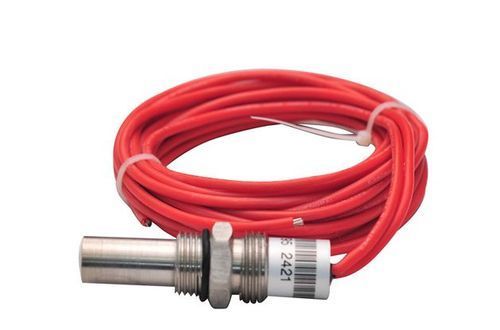
Tell us about your requirement

Price:
Quantity
Select Unit
- 50
- 100
- 200
- 250
- 500
- 1000+
Additional detail
Mobile number
Email

More Products in Compressor Parts Category
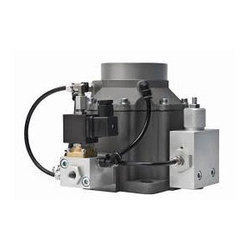
Compressor Inlet Valve
Price Range 500.00 - 5000.00 INR / Unit
Minimum Order Quantity : 1 Unit
Pressure Capacity : 0.520 bar
Cooling Method : Air Cooled
Allied Equipment : Other, Inlet Valve
Silent : Yes
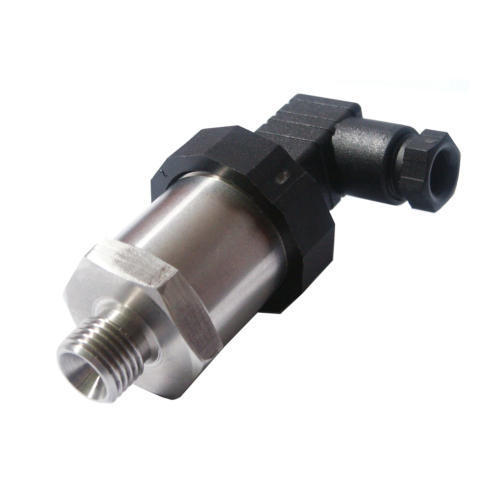
Compressor Pressure Transducer
Price Range 500.00 - 5000.00 INR / Unit
Minimum Order Quantity : 1 Unit
Pressure Capacity : Up to 600 psi
Cooling Method : Air Cooled
Allied Equipment : Other, Compressor Pressure Transducer
Silent : Yes
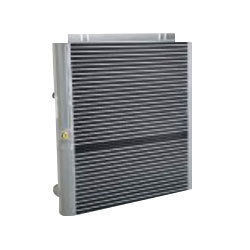
Compressor oil Cooler
Minimum Order Quantity : 1 Unit
Pressure Capacity : Up to 16 bar
Cooling Method : Oil Cooling
Allied Equipment : Other, Oil Cooler
Silent : Yes
Air Compressor Pressure Transducer
Price Range 500.00 - 5000.00 INR / Unit
Minimum Order Quantity : 1 Unit
Pressure Capacity : 016 Bar
Cooling Method : Air
Allied Equipment : Other, Suitable for Air Compressor Systems
Silent : Yes

 Send Inquiry
D-14, Flatted Factories Complex, Rani Jhansi Road, Jhandewalan, New Delhi - 110055, India

Mr Harmit Singh
(Proprietor)
Mobile :08045800852
 Send Inquiry
 Send SMS
Developed and Managed by Infocom Network Private Limited.


